

Get Yourself and Your Bike Ready for Fall Road Riding
A flat in July takes ten minutes. The same flat on a wet October afternoon, with the light going, is a different story. Make sure you're well prepared.


What to Carry on a Fall Road Ride, and Why Fall Changes It
Here's the thing about what to carry on a fall road ride: the kit barely changes from summer. What changes is what happens when something goes wrong.
A puncture in July is ten minutes at the side of the road and a story at the coffee stop. The same puncture at 4 pm in October, in the rain, twenty minutes from home, with the light starting to go, is a much longer afternoon.
What goes in your saddle bag should be the right stuff, packed so you can actually use it when your hands are cold and the road is wet. Do that and a bad twenty minutes becomes a fine twenty minutes.
We've split this into two parts. The first is getting yourself ready: gloves, a shell, and planning for a ride that runs longer than you think. The second is getting your bike ready: flats, air, roadside repairs and where it all goes.
Part 1: Get Yourself Ready
Cold Hands Can't Fix a Flat
This is the one most riders miss.
You can carry a perfect repair kit and still not be able to use it. After fifteen minutes stopped in the wet, your fingers stop cooperating. Getting a tire bead off the rim, holding a tire lever in place and seating a tube all take grip and feel, and cold hands lose both fast.
That changes how you should think about two items.
What to wear and carry:
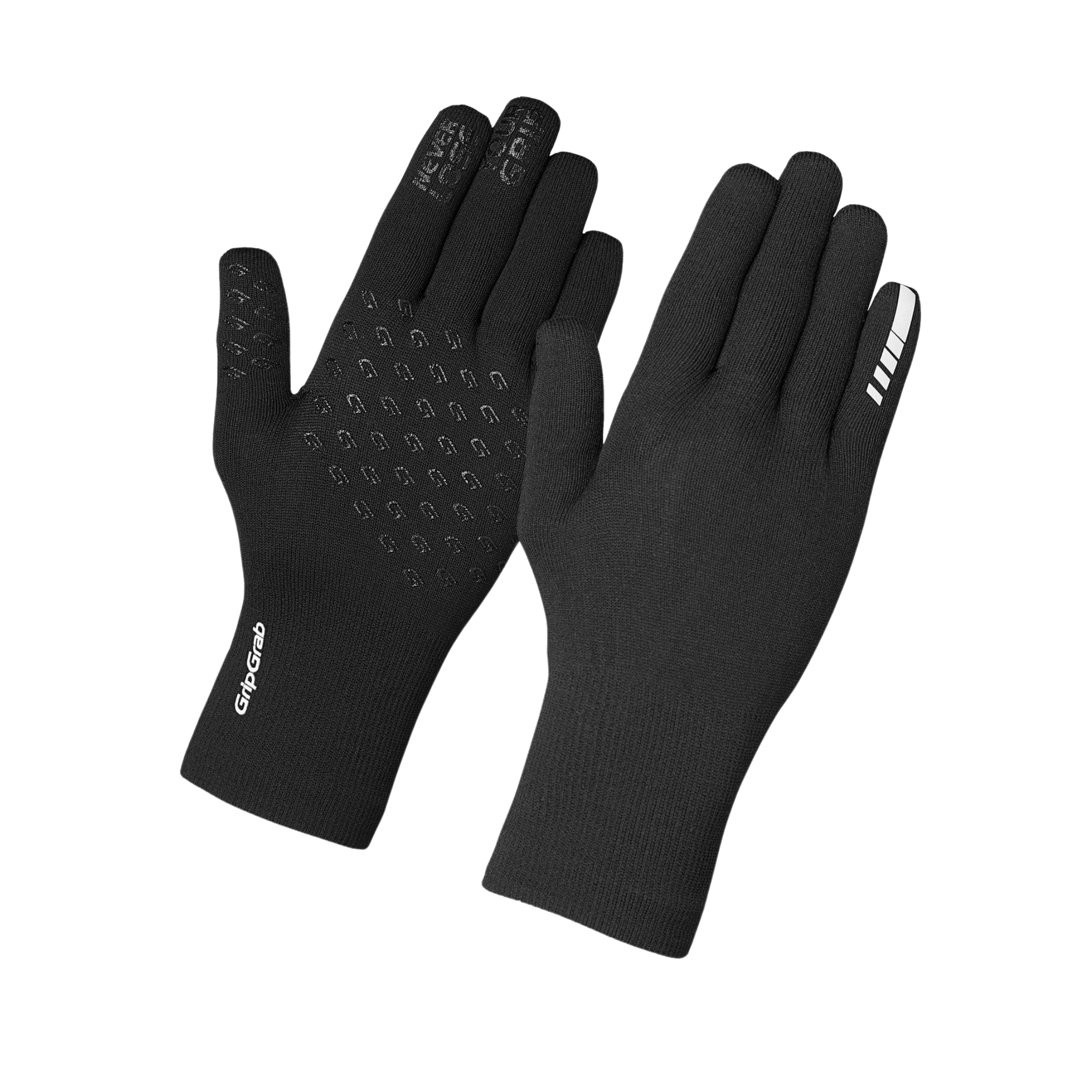
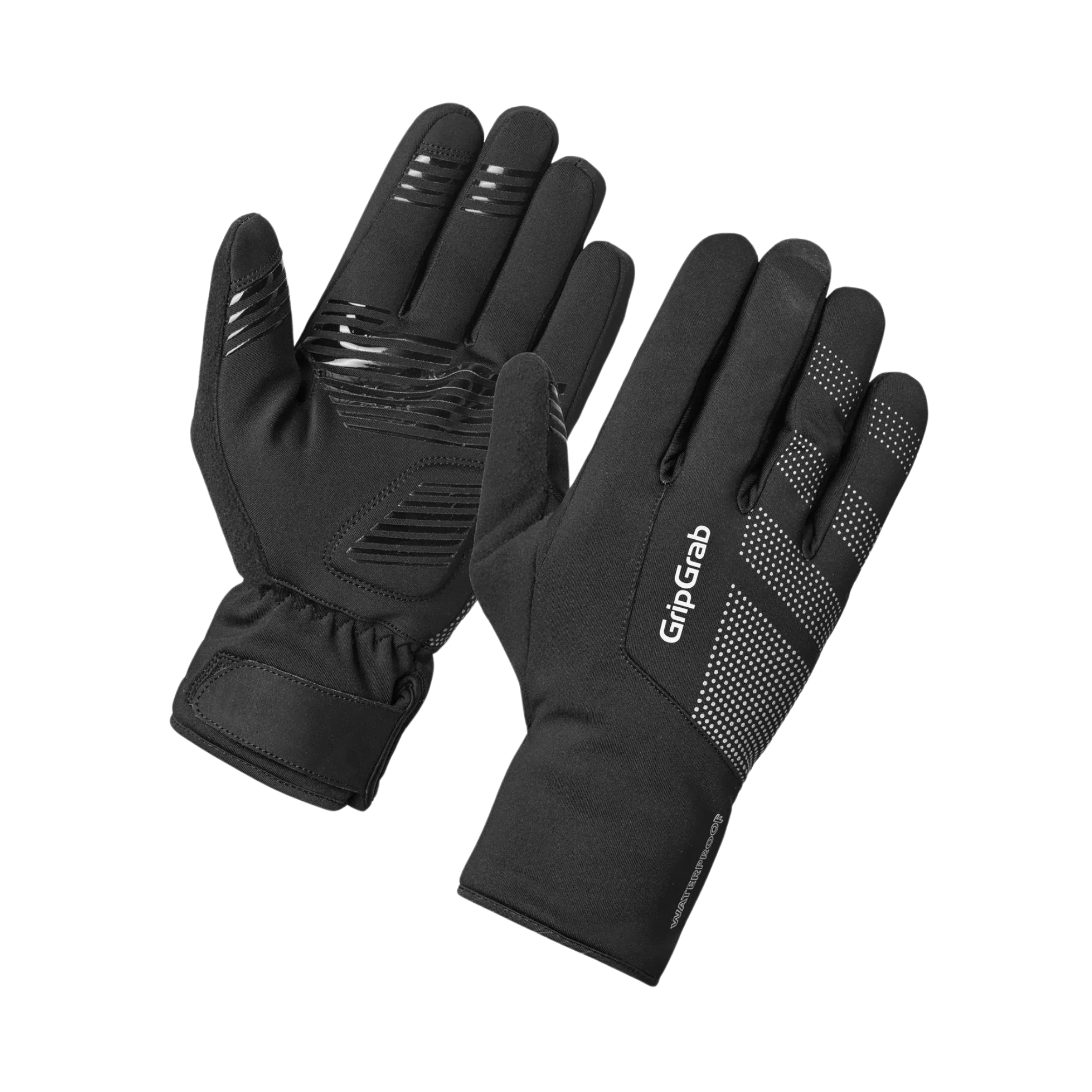
- Gloves are a repair tool: Pick a pair that stays warm when wet, because that's the condition you'll be fixing a flat in. If your hands run cold, a spare pair in the bag is worth the space.
- A packable shell is for standing still: You're warm while you're pedalling. The moment you stop for a repair, you stop making heat, your jersey is already damp, and the wind does the rest. Ten minutes at the roadside in October is how people get properly cold. A shell that packs small lives in your bag for exactly that moment.
- Put the shell on first, then fix the flat: It feels backwards when you're in a hurry, but those first two minutes of staying warm make the next ten much easier.
If you've ridden here in November, you already know this. If you haven't, trust us on it.




Plan for a Longer Ride Than You Think
Fall rides have a way of running long. Sunset comes earlier every week, and a repair adds twenty minutes you didn't budget for. Plan for that before you leave.
Before you roll out:
- Run lights, even on a daytime ride: A front and rear light weigh almost nothing and cover you if the ride runs past the light. Lights belong in your fall kit as much as your winter one.
- Tell someone your route: A quick message with where you're heading and roughly when you'll be back.
- Keep your phone in an inside pocket: Cold drains phone batteries quickly, and your phone is your backup plan. Keep it close to your body, not in an outer pocket.
- Bring ID, a card and some cash: A folded banknote also works as an emergency tire boot. More on that below.
- Pack more food than you would in July: Cold weather hides hunger, and a ride that runs long burns more than you planned.
Part 2: Get Your Bike Ready
Two Tubes, Tire Levers and a Boot
Flats are the thing that will actually happen, and fall makes them more likely.
Wet roads wash grit and glass onto the road surface, and water helps sharp bits work their way into a tire that would otherwise flick them off. You'll flat more in the wet. Pack for that.
Your flat kit:
- Two tubes, not one: The second is for the day the first one doesn't hold, or your riding partner flats too. TPU tubes make this easy, since two of them take up about the same space as one regular butyl tube. Make sure the size range on the box covers your tires.
- Tire levers: The item everyone thinks they can skip until their hands are cold. Some tire and rim combinations are tight enough that you need them even on a warm day.
- A tire boot: If a piece of glass has cut the casing, a new tube will push through the hole and blow again. A boot covers the cut from the inside so the tube can't bulge through. They cost almost nothing and weigh even less. In a pinch, a gel wrapper or a folded banknote does the same job.


If You Run Tubeless
- Carry a plug kit: Most small punctures that sealant can't close will seal with a plug, and the wheel stays on the bike.
- Carry a tube anyway: Sealant and plugs can't fix a big cut. When that happens, a tube and a boot are how you get home.


Air, Chains and Roadside Repairs
Pump or CO2? Our honest answer is both, but never CO2 alone.
CO2 is fast, and that's great. It's also finite: two cartridges and two mistakes, and you're out of air. The cartridge gets painfully cold as it empties, which is a bad match for wet gloves. And CO2 seeps out of a tube faster than air does, so treat a CO2 fill as a get-home fix and top up with a floor pump when you get in.
Your repair kit:
- A small pump, always: It never runs out, and it'll get you home after the CO2 is gone.
- CO2 as the fast option on top: An inflator head and a couple of 16 g cartridges for road tires.
- A multitool with a chain tool: Check that it has the hex sizes for your bike's bolts and a chain breaker built in.
- A quick link: The cheapest, most-forgotten item in cycling. A snapped chain ends the ride unless you have a quick link and a chain tool, in which case it's a five-minute fix. Match it to your drivetrain's speed.


Worth Adding: A Derailleur Hanger
On the road, a hanger rarely breaks. But a fall or a knock while the bike is parked can bend or snap one, and without a spare that ends the ride. It's small and light, so it's easy to add once the rest of your kit is sorted. Hangers are frame-specific, so bring your bike in or tell us what you ride and we'll find the right one.
Know where the roadside kit stops. Flats, a broken chain, a hanger and a loose bolt are all fixable at the side of the road. Anything structural, hydraulic or wheel-related is a job for the shop, so bring it to us.
Why a Saddle Bag Makes More Sense in Fall
In summer, most of us carry everything in our jersey pockets. In fall, there's a jacket or a vest over the top, and those pockets are suddenly out of reach.
That's the honest case for a saddle bag in October. Everything in this post fits in a small one, and it's there when you need it without taking your jacket off at the side of the road.
Picking a bag:
- Small and tidy: If you're carrying two TPU tubes, levers, a boot, a multitool and CO2, a compact bag is plenty.
- A bit more room: Size up if you want your pump or a spare pair of gloves in there too.
- Pack it so it stays dry: Wet tools rust. Keep your multitool and patches in a small zip bag inside the saddle bag, and dry everything out after a wet ride.
One last thing: a full saddle bag only helps if you know how to use what's in it. If you've never fixed a flat on your current wheels, try it at home first, warm and dry.


Frequently Asked Questions
Pump or CO2?
Both, but never CO2 alone. CO2 is fast, and a pump always works. If you use CO2, top up with a floor pump when you get home.
I run tubeless. Do I still need a tube?
Yes. Sealant and plugs handle small punctures, but they can't fix a big cut. The tube is your get-home option.
Which derailleur hanger do I need?
Hangers are frame-specific, so there's no guessing. Bring your bike in or tell us what you ride and we'll find the right one.
Will all of this fit in a small saddle bag?
Yes, and TPU tubes are a big part of why. Two of them take up about the same space as one regular tube.
What's a tire boot?
A small patch that goes inside the tire over a cut in the casing, so the tube can't push through. We sell them, and in a pinch a gel wrapper or a folded banknote works too.
Do I need a jacket if it isn't raining when I leave?
It's less about riding in the rain than standing still in it. The moment you stop for a repair, you stop making heat, and a packable shell keeps you warm while you fix it.

Build Your Fall Road Kit With Us
Stop by any Bici shop and we'll help you put together the right repair kit, gloves and bag for the way you ride. Bring your bike if you'd like help finding the right derailleur hanger or quick link.
Riding Gravel This Fall Too?
Read our guide to getting yourself and your bike ready for fall gravel riding in BC.